
Arrangementer
-
- Åby Bibliotek (112)
- Bavnehøj Bibliotek (9)
- Beder-Malling Bibliotek (19)
- Gellerup Bibliotek (178)
- Harlev Bibliotek (12)
- Hasle Bibliotek (32)
- Hjortshøj Kombi-bibliotek (10)
- Højbjerg Bibliotek (52)
- Hovedbiblioteket (614)
- Lystrup Bibliotek (58)
- Risskov Bibliotek (84)
- Skødstrup Kombi-bibliotek (12)
- Solbjerg Bibliotek (38)
- Tilst Bibliotek (6)
- Tranbjerg Bibliotek (46)
- Trige Kombi-bibliotek (2)
- Viby Bibliotek (83)

-
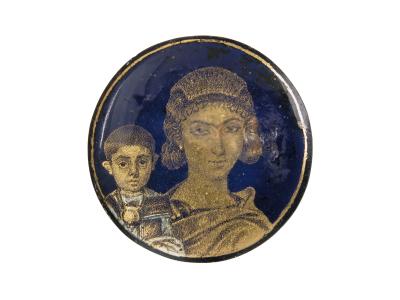 Udstilling
Antikkens ansigter: Kvinder, der formede deres verden
En udstilling om nogle af de fortællinger, den magt og indflydelse der er indkapslet i antikkens repræsentationer af kvinder.HovedbiblioteketGratis -
 Udstilling
Shifting Grounds
En dokumentarfotografiudstilling skabt af en gruppe på 11 fotojournalistikstuderende fra Danmarks Medie- og Journalisthøjskole (DMJX)HovedbiblioteketGratis -
 Børn
BørnTegneseriesommer
Du kan ikke få nok af tegneserier, men mangler at tegne dine egne versioner af Møgmis, Nomerne og Manga?Risskov BibliotekGratis -
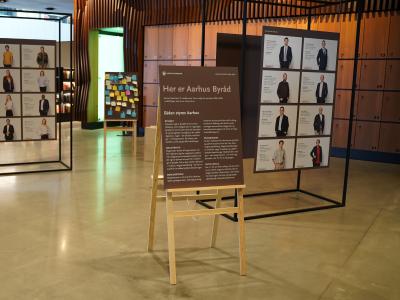 Udstilling
Her er Aarhus Byråd
I udstillingen kan du blive klogere på, hvem der sidder i Aarhus ByrådHovedbiblioteketGratis -
 Udstilling
Staying or Leaving Home
What happens when change occurs faster than a culture can adapt?HovedbiblioteketGratis -
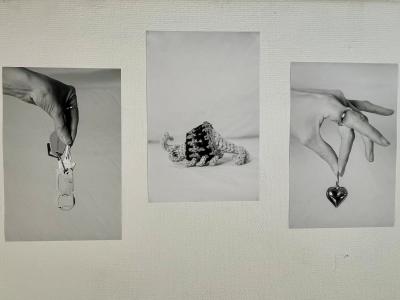 Udstilling
Jeg føler mig fri når...
I denne udstilling præsenterer unge fra Haldor Huset fotografier, tekster og installationer skabt med udgangspunkt i deres egne erfaringer, drømme og perspektiver.HovedbiblioteketGratis -
 Kreativitet
Gør-det-selv-KREA
Vi har sat ideer og grej frem i det kreative værksted. Kom og hyg!Gellerup BibliotekGratis -
 Udstilling
Udstilling - Mosaik
Oplev en udstilling om hvad det betyder at høre til? At have hjem i flere lande – eller slet intet sted? At genkalde gamle minder – egne som overleverede? At være en del af fællesskabet – og alligevel stå ud fra mængden?Gellerup BibliotekGratis -
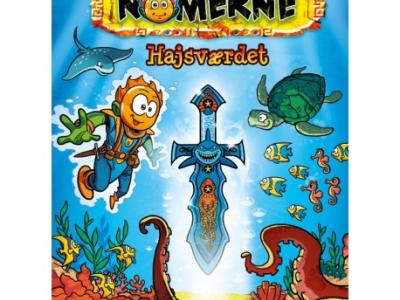 Kreativitet
Tegnekonkurrence
Tegn en NOM og giv den en superkraft, hvis du synes.Risskov BibliotekGratis -
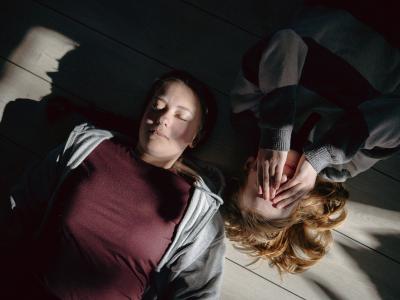 Udstilling
De tavse børns stemmer
En udstilling om ufrivilligt skolefraværÅby BibliotekGratis -
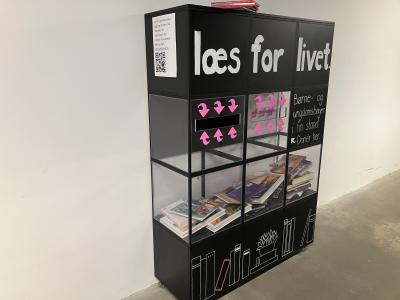 Børn
BørnIndsamling til Læs for Livet
Donér bøger hele august måned på Dokk1HovedbiblioteketGratis -
 Kreativitet
Ved kreabordet: Kvinder der forandrede verden
Lav et portræt af Frida KahloHøjbjerg BibliotekGratis -
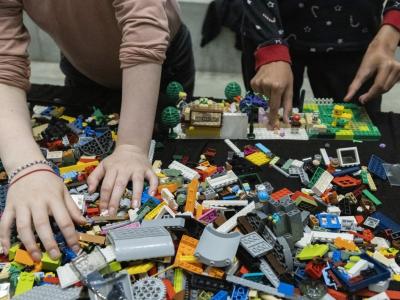 Børn
BørnÅbent LEGO Lab
Kom ind i bibliotekets store LEGO Lab - det er åbent alle dage, hvor biblioteket har åbent.Gellerup BibliotekGratis -
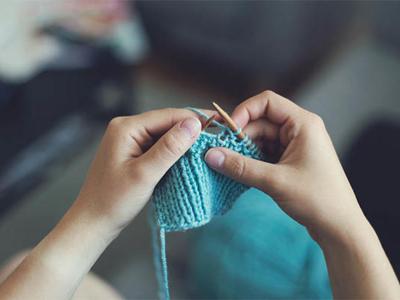 Kreativitet
Strikkecafé
Er du vild med at strikke, eller vil du gerne lære det sammen med andre? Så er strikkecaféen måske noget for dig.HovedbiblioteketGratis -
 Film
FilmSøndagsfilm
Den første søndag i hver måned viser Dokk1 filmHovedbiblioteketGratis -
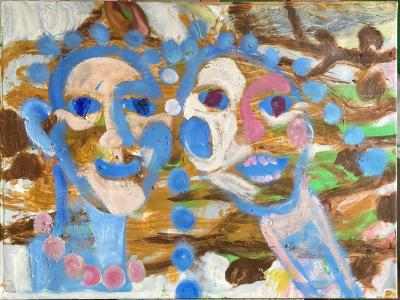
Anna Charlotte Rasmussen udstiller
Fernisering tirsdag d. 4. august kl. 16Åby BibliotekGratis -
 Hjælp og vejledning
Studievalg - vejledning
Så kan du få vejledning om valg af uddannelse hos Studievalg Danmark, Center Østjylland på Dokk1.HovedbiblioteketGratis -
Børn
Åbent LEGO Lab
Kom ind i bibliotekets store LEGO Lab - det er åbent alle dage, hvor biblioteket har åbent.Gellerup BibliotekGratis -
Børn
SommerLEGO
Vi finder alle vores LEGO-klodser frem og så er det ellers bare om at bygge løs!Hasle BibliotekGratis -
 Hjælp og vejledning
Digital Café
I Den Digitale Café kan du få hjælp til din elektroniske kontakt med det offentlige.Højbjerg BibliotekGratis -
 Hjælp og vejledning
Gellerups IT-mandage
Til Gellerups IT-mandage kan du få hjælp til de fleste store og små IT-problemer.
Gellerup BibliotekGratis -
 Kreativitet
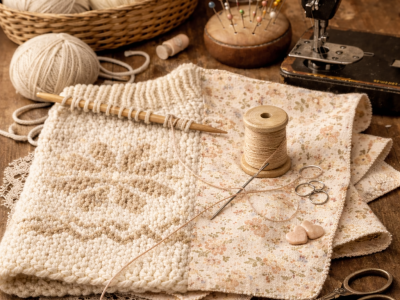
Sy- og strikkestue
Hver mandag fra kl. 14.00–16.00 åbner Viby Bibliotek dørene til vores hyggelige sy- og strikkestue 🧵
Viby BibliotekGratis -
 Kreativitet
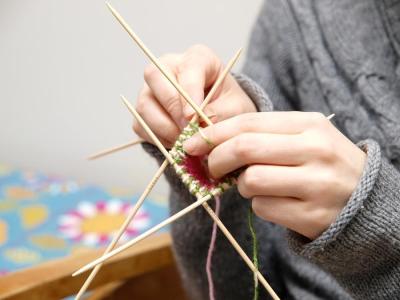
Strikkecafé
Er du vild med at strikke, og kan du godt lide at gøre det sammen med andre, mens der hygges og snakkes?Skødstrup Kombi-bibliotekGratis -
 Viden og demokrati
Lokalhistoriske Samling
Interesserer du dig for slægtsforskning, lokalhistorie, erhvervshistorie eller en helt fjerde ting, så besøg arkivet. Vi hjælper dig med at finde de informationer, som du søger.Lystrup BibliotekGratis -
 Kreativitet
Book-binding for beginners
*FULLY BOOKED* Would you like to try a traditional craft and leave with something you've made yourself?Risskov BibliotekGratis
Viser 25 ud af 1376 resultater
Vis flere